GST system in India affects the most?
I) lifestyle of people
II) Enforcement
III) Growth in nation
Lead I: GST Affects the Lifestyle of People
1. Direct impact on daily consumption
GST is paid by consumers whenever they buy goods or services.
Examples:
Mobile phones attract GST.
Restaurant bills include GST.
Online shopping, movie tickets, and hotel stays are taxed under GST.
2. Change in prices
GST reduced taxes on many products while increasing taxes on some luxury items.
Example:
Essential items like fresh fruits and vegetables are exempt.
Luxury cars attract up to 28% GST plus cess.
3. Digital awareness among citizens
People now routinely ask for GST bills and use digital payments.
Data Fact
GST collections crossed ₹2 lakh crore in a single month multiple times during 2025-26, showing the extent to which consumers contribute to the tax system.
Although consumers pay GST, they often do not directly deal with tax administration. Businesses bear much of the compliance burden.
Lead II: GST Affects Enforcement
1. Improved tax transparency
Every transaction is digitally recorded, making tax evasion more difficult.
2. Technology-driven monitoring
The government uses:
E-invoicing
GSTN Network
E-way bills
to track goods and transactions.
Example
If a company claims input tax credit without actual purchases, the mismatch can be detected electronically.
3. Reduction in the informal economy
Businesses increasingly register under GST to remain part of supply chains.
Data Fact
The number of registered GST taxpayers has grown from around 65 lakh at launch to well over 1.5 crore registrations, indicating greater formalization of the economy.
Example
Transport companies now use e-way bills, reducing interstate check-post delays and improving compliance.
Enforcement is important, but it mainly affects businesses and government agencies rather than every citizen.
Lead III: GST Affects Growth of the Nation the Most
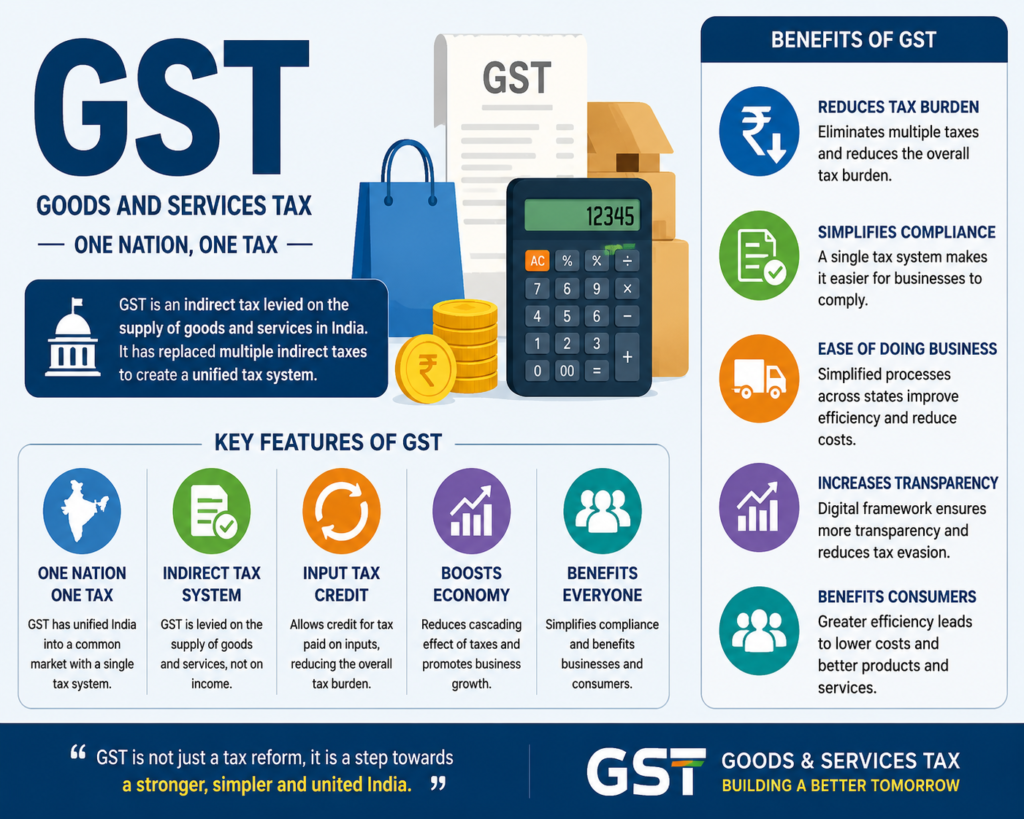
1. Creation of a unified national market
Before GST, different states had different taxes and checkpoints.
Result:
Faster movement of goods.
Lower logistics costs.
Easier interstate trade.
Example
A manufacturer in Haryana can sell products to Karnataka with fewer tax complications than before GST.
2. Increased government revenue
Higher tax collection allows greater spending on:
Infrastructure
Defence
Healthcare
Education
Data Fact
Monthly GST collections have consistently remained above ₹1.5 lakh crore in recent years and have crossed ₹2 lakh crore several times, reflecting strong economic activity and compliance.
3. Encourages investment
A transparent tax system improves India’s ease of doing business and attracts domestic and foreign investors.
Example
Many multinational companies prefer operating in a country with a uniform indirect tax structure.