Why UN is losing its significance
I) changing world order
II) lack of participation
III) lack of action
I. Changing World Order
The international system is no longer unipolar or dominated by a few Western powers. New powers such as China, India, and regional blocs have emerged.
Data and Facts:
The UN Security Council still reflects the 1945 power structure with only 5 permanent members (USA, UK, France, Russia, and China) possessing veto power.
Africa, with 54 countries, and Latin America have no permanent representation in the Security Council.
India represents nearly 18% of the world’s population (about 1.4 billion people) but lacks permanent membership.
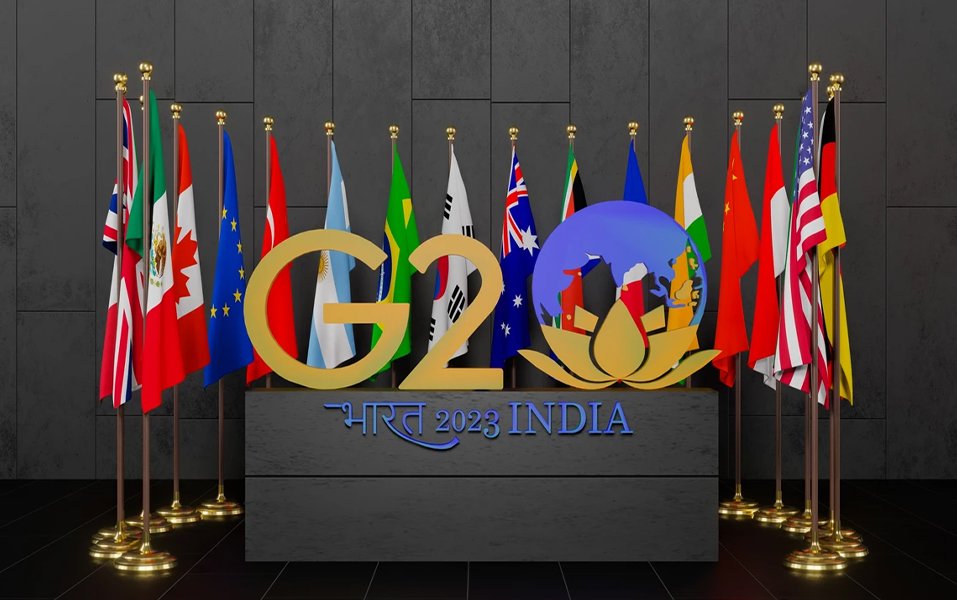
The G20 countries account for nearly 85% of global GDP and 75% of world trade, making forums like the G20 increasingly influential.
Groups such as BRICS expanded to 11 members in 2024, indicating countries are seeking alternative platforms for global governance.
Examples:
The Russia-Ukraine war highlighted divisions among major powers.
China and Russia increasingly challenge Western-led institutions.
Many developing countries prefer platforms like G20, BRICS, and regional organizations for decision-making.
II. Lack of Participation
Major powers often bypass the UN or selectively engage with it when it suits their national interests.
Data and Facts:
The UN General Assembly has 193 member states, but resolutions are generally non-binding.
Since 1945, the permanent members have used the veto power more than 300 times collectively.
The United States alone has used its veto over 80 times, primarily concerning Middle East issues.
Russia has repeatedly vetoed resolutions related to Syria and Ukraine.
Several countries fail to pay their contributions on time, affecting UN operations.
Examples:
The 2003 Iraq War was launched by the United States without explicit Security Council authorization.
Russia invaded Ukraine in 2022 despite being a permanent Security Council member.
Many countries ignore UN resolutions when they conflict with national interests.
III. Lack of Action
The UN often struggles to act decisively because of veto politics and lengthy decision-making processes.
Data and Facts:
More than 120 armed conflicts were active worldwide in recent years, the highest number since World War II.
The Syrian Civil War caused over 500,000 deaths, yet the Security Council remained divided.
In the Russia-Ukraine conflict, Russia vetoed Security Council resolutions against itself.
Peacekeeping missions have faced criticism in countries such as Congo, Mali, and South Sudan.
The UN currently operates around 11 peacekeeping missions worldwide, but many have limited mandates and resources.
Examples:
Failure to prevent the Rwanda genocide (1994).
Inability to stop the Syrian civil war.
Limited effectiveness in resolving the Israel-Palestine conflict.
Deadlock over the Russia-Ukraine war.