Quotation
“There is no health without mental health.” — World Health Organization (WHO)
Introduction
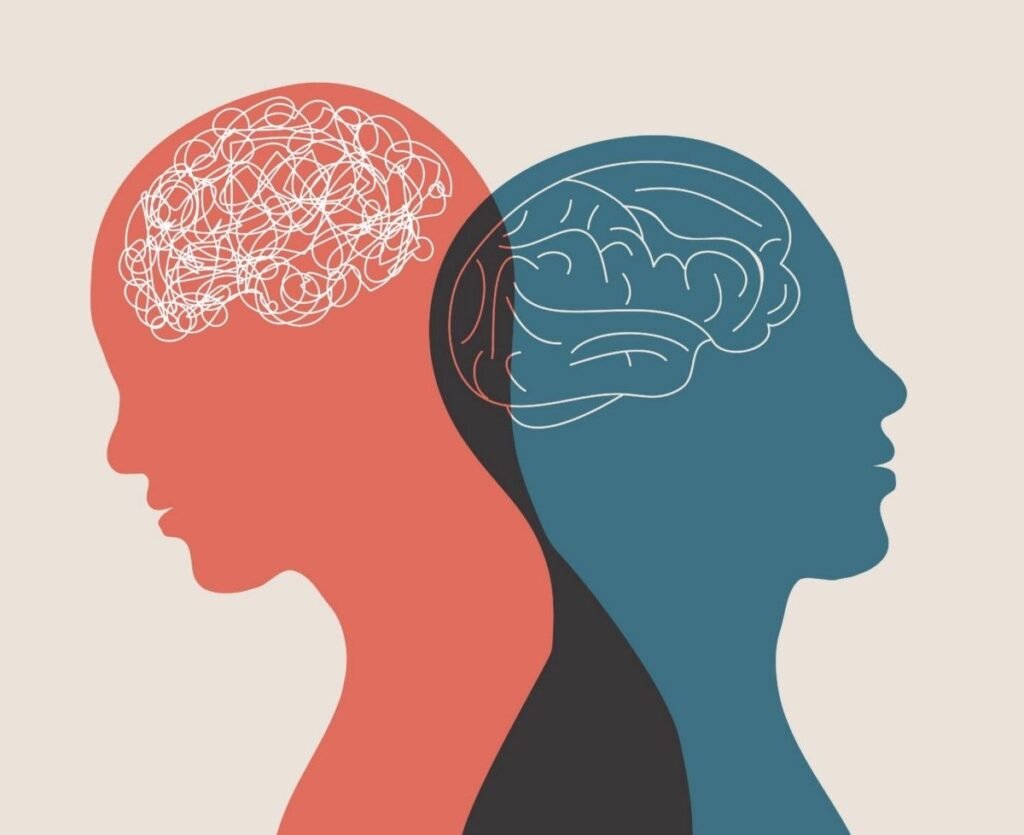
Mental health refers to a person’s emotional, psychological, and social well-being. It affects how we think, feel, make decisions, handle stress, and interact with others. In the 21st century, rapid urbanization, academic pressure, workplace stress, social media influence, and changing lifestyles have made mental health a critical public health issue.
Mental health is not merely the absence of mental illness; it is a state of well-being in which an individual realizes their potential, copes with normal stresses, works productively, and contributes to society.
Current Scenario (Data & Facts)
Global Scenario
According to the World Health Organization (WHO), around 1 in every 8 people globally (approximately 970 million people) lives with a mental disorder.
Depression and anxiety disorders cost the global economy nearly $1 trillion annually in lost productivity.
Suicide claims more than 700,000 lives every year worldwide, making it one of the leading causes of death among young people.
Indian Scenario
As per the National Mental Health Survey, nearly 10-14% of Indians experience mental health issues at some point in their lives.
India accounts for one of the largest numbers of people suffering from depression and anxiety disorders.
According to NCRB data, over 1.7 lakh suicides were reported in India in recent years, highlighting the growing mental health challenge.
Students, farmers, unemployed youth, and working professionals are among the most vulnerable groups.
The COVID-19 pandemic further increased stress, loneliness, and anxiety, especially among young people.
Recent Initiatives
National Tele-Mental Health Programme (Tele-MANAS) launched by the Government of India provides 24×7 mental health support.
Mental health has been included under the Ayushman Bharat framework and various awareness campaigns are being conducted across educational institutions.
Challenges
1. Social Stigma
Mental illness is often viewed as a sign of weakness.
Many individuals avoid seeking help due to fear of judgment.
2. Lack of Awareness
People often fail to recognize symptoms of depression, anxiety, and stress-related disorders.
Mental health literacy remains low, particularly in rural areas.
3. Shortage of Mental Health Professionals
India has a significant shortage of psychiatrists, psychologists, and counselors compared to WHO recommendations.
4. Academic and Workplace Pressure
Competitive examinations, unemployment, job insecurity, and long working hours contribute to mental stress.
5. Social Media and Digital Addiction
Excessive screen time, cyberbullying, and unrealistic comparisons negatively affect self-esteem and emotional well-being.
6. Limited Access in Rural Areas
Mental health facilities are concentrated in urban centers, leaving rural populations underserved.
Way Forward
1. Promote Awareness and Education
Conduct mental health education programs in schools, colleges, and workplaces.
Encourage open discussions to normalize seeking help.
2. Strengthen Healthcare Infrastructure
Increase investment in mental health services.
Recruit and train more mental health professionals.
3. Utilize Technology
Expand tele-counseling and telemedicine platforms like Tele-MANAS.
Use AI and digital tools for early detection and support.
4. Community-Based Support
Involve NGOs, local leaders, and community health workers in awareness campaigns.
Establish peer-support groups.
5. Focus on Youth
Introduce counseling cells in educational institutions.
Promote sports, physical fitness, meditation, and stress-management activities.
6. Policy and Legislative Support
Effective implementation of the Mental Healthcare Act, 2017.
Ensure affordable and accessible mental healthcare for all citizens.