“Poverty is the worst form of violence.” – Mahatma Gandhi
Introduction
Poverty refers to a condition where individuals are unable to meet their basic needs such as food, clothing, shelter, education, and healthcare. In India, poverty is generally measured using indicators like income levels, consumption expenditure, and multidimensional factors such as health and education. It is not just an economic issue but also a social and developmental challenge that affects the overall progress of the nation.
India has historically faced widespread poverty due to colonial exploitation, population growth, and unequal distribution of resources. However, over the years, the country has made significant progress in reducing poverty through various government policies and economic reforms.
Current Scenario
India has witnessed a steady decline in poverty levels in recent decades. According to global estimates, millions of people have been lifted out of extreme poverty. Government initiatives such as MGNREGA, Public Distribution System (PDS), Direct Benefit Transfer (DBT), and Ayushman Bharat have played an important role.
However, poverty still persists, especially in rural areas and among marginalized communities. Issues like unemployment, underemployment, and regional disparities continue to contribute to the problem. Additionally, the COVID-19 pandemic temporarily pushed many families back into poverty, highlighting the vulnerability of a large section of the population.
Challenges
1. Unemployment and Underemployment – Lack of sufficient job opportunities leads to low income.
2. Population Pressure – High population puts stress on limited resources.
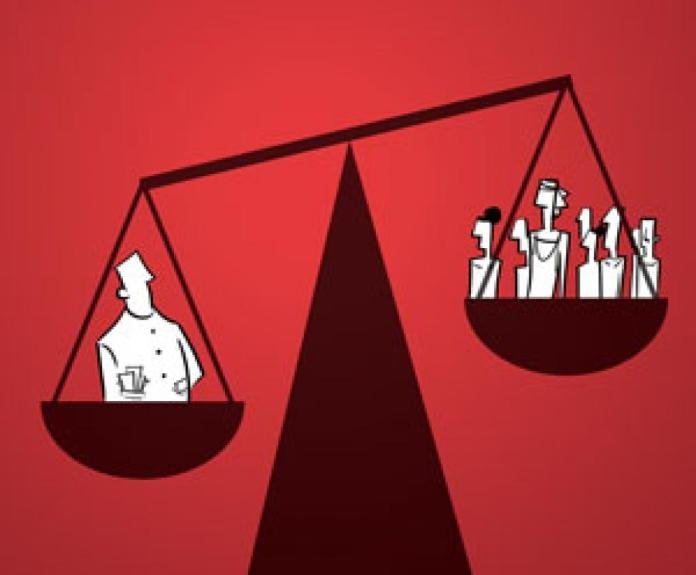
3. Inequality in Wealth Distribution – A large gap between rich and poor.
4. Lack of Education and Skills – Limits earning capacity.
5. Agricultural Dependence – Rural poverty persists due to low productivity.
6. Regional Disparities – Some states are more affected than others.
7. Inflation – Rising prices reduce purchasing power of the poor.
Way Forward
1. Skill Development and Employment Generation – Focus on creating jobs in manufacturing and services.
2. Improving Education and Healthcare – Strengthening human capital.
3. Promoting Rural Development – Better infrastructure and agricultural reforms.
4. Effective Implementation of Government Schemes – Ensuring benefits reach the needy.
5. Encouraging Entrepreneurship – Supporting startups and small businesses.
6. Reducing Inequality – Inclusive growth policies.
7. Use of Technology – Digital inclusion and direct transfers to reduce leakages.
Conclusion
Poverty in India is a complex issue, but it is not insurmountable. With sustained economic growth, inclusive policies, and active participation from society, India can significantly reduce poverty and move towards becoming a developed nation.