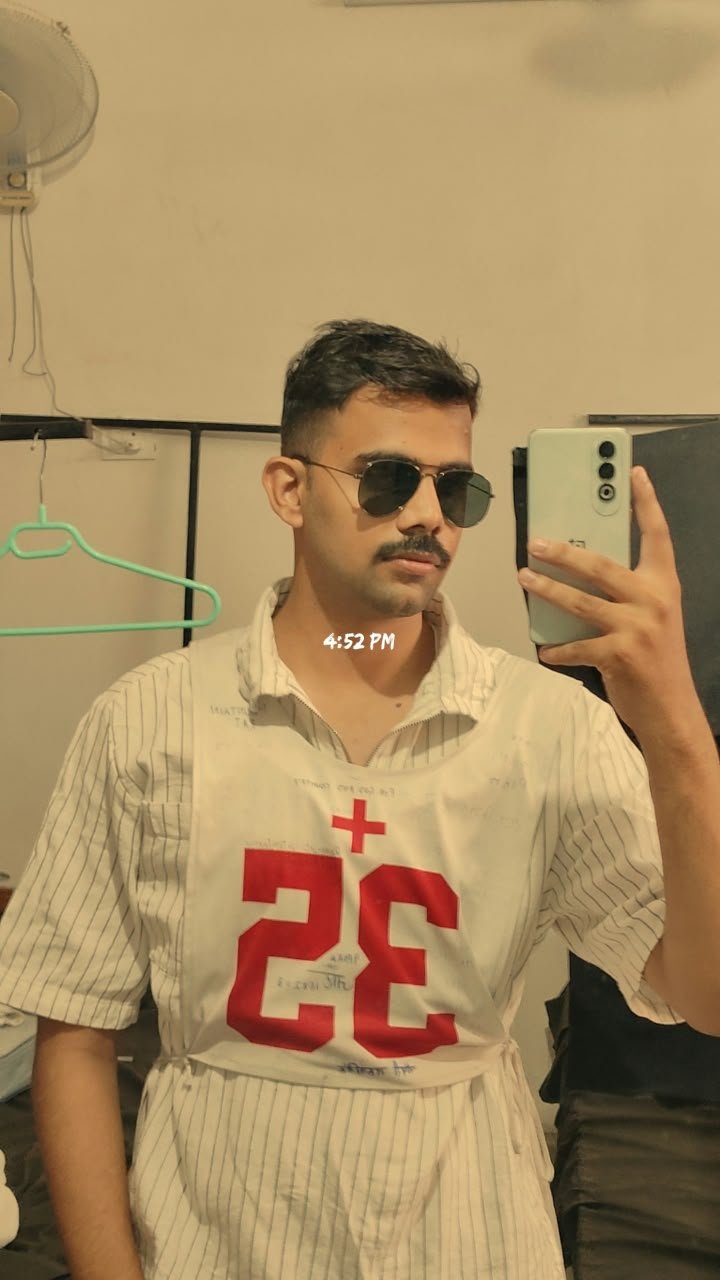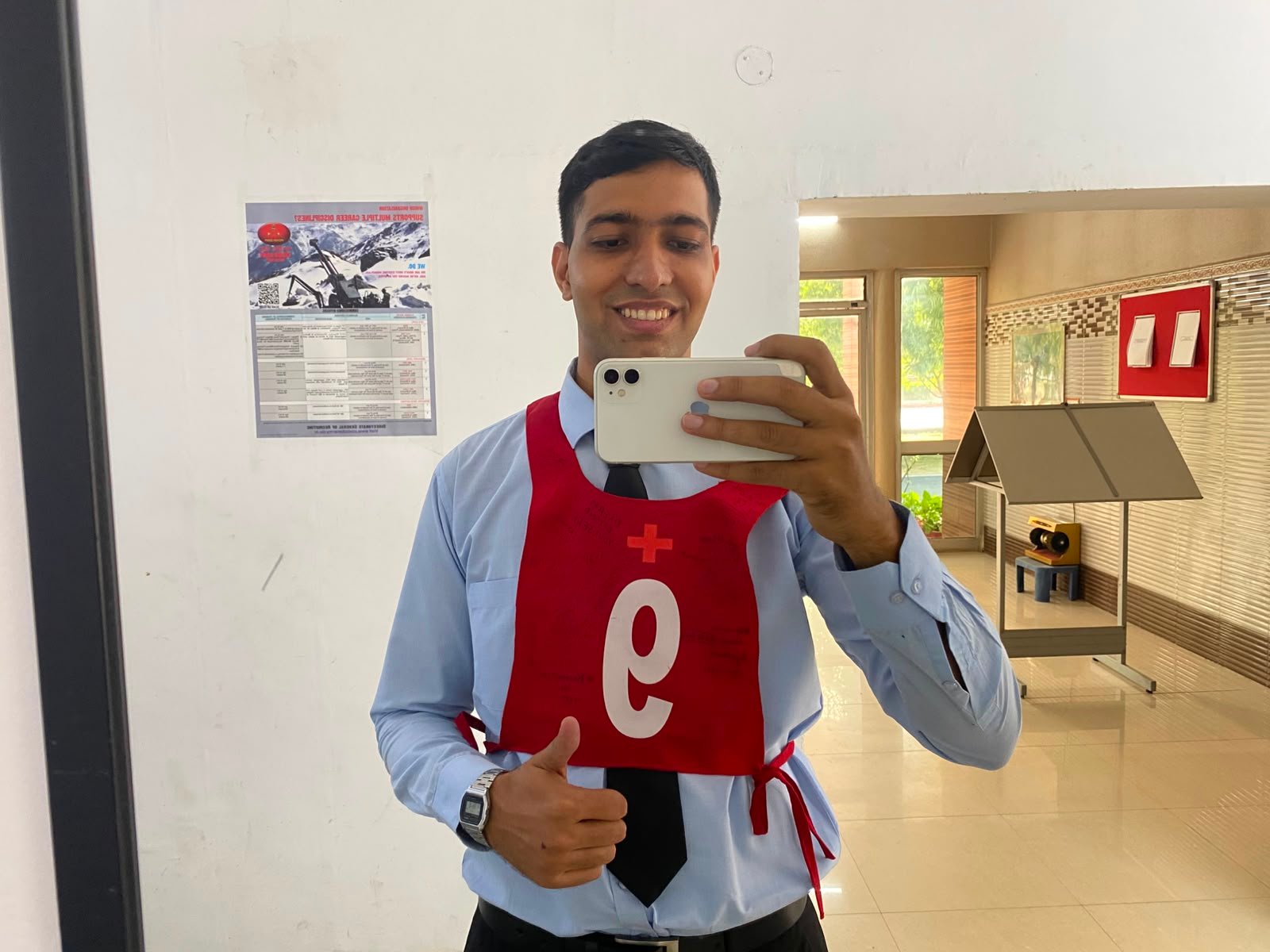

Every SSB aspirant knows this feeling. You prepare hard.
You give your best.
And yet, the recommendation doesn’t come. For Sumit Gaira, that feeling came more than once.
“Sometimes, it’s not that you’re not good enough for SSB, it’s that you haven’t yet understood what SSB is actually testing.”
A Dream That Started at Home
Sumit comes from Ranikhet, Uttarakhand, and completed his schooling from APS Ranikhet. Growing up in an Army environment, with his father serving in the Indian Army, the uniform wasn’t just a dream, it was a way of life.
After completing his 12th, Sumit began his NDA journey.
Attempts came and went.
So did lessons.
Finally, in his 4th written attempt and 2nd SSB attempt, Sumit got recommended. But what actually changed?
It Wasn’t About Trying Harder, It Was About Doing Things Differently
Like many aspirants, Sumit had been writing answers in GPE.
But in earlier attempts, his solutions felt more like stories than plans. Time.
Distance.
Structure. These were missing. In his final attempt, Sumit followed a clear, logical format:
- Aim
- Priorities
- Resources
- Team division
- Solution
Suddenly, his GPE answers looked like officer-like decisions, not just well written paragraphs. This shift didn’t happen randomly.
Learning to Reflect, Not Just Prepare
During his preparation, Sumit attended psych and interview sessions with Shashank sir, which he recalls as one of the most impactful parts of his journey. What stood out was introspection. In the R2R batch, candidates were encouraged to:
- Reflect on every OLQ
- Write real-life examples for each quality
- Understand why an answer works, not just what to say
This became crucial during the interview, which Sumit found to be the most challenging part of SSB.
The Interview: Where Most Aspirants Slip
The interview isn’t difficult because of tricky questions.
It’s difficult because the questions are spontaneous, often asked directly from your own answers. Sumit realised something important:
Over-preparation kills spontaneity.
Instead of memorising answers, he kept keywords in mind and framed his responses on the spot. Because he had already written and reflected on his life examples during preparation, the answers came naturally. This approach made his responses honest, confident, and believable , exactly what the interview looks for.
A Simple Habit That Made a Big Difference
One habit Sumit strongly recommends to every aspirant:
Maintain a mistake notebook. After every attempt, write down:
- What went wrong
- Where you felt stuck
- What you could improve next time
This simple practice helped him see steady improvement, attempt after attempt.
A Message for Aspirants Still Trying
Sumit’s journey carries a message many aspirants need to hear:
Give your best in every attempt, learn from failures instead of fearing them and improve something small each time,it adds up.
His success wasn’t about luck.
It was about clarity, reflection, and structured preparation.
And somewhere along the way, the right guidance helped him connect the dots.
For aspirants reading this and wondering what they might be missing, sometimes the answer isn’t more study hours — it’s better understanding of yourself. That’s often where journeys begin to change.
Click here to checkout the courses